Zuhause / Brauch / Optische Komponenten / Optischer Spiegel / Dielektrischer Spiegel
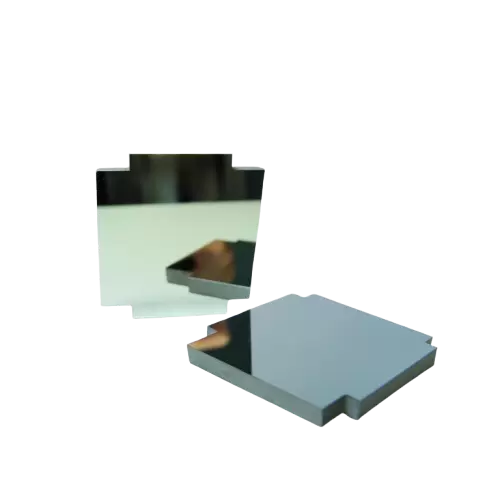
Dielektrischer Spiegel
Optischer Spiegel

Dielektrischer Spiegel

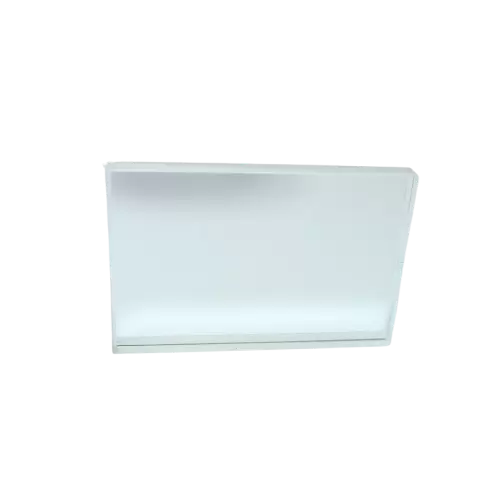
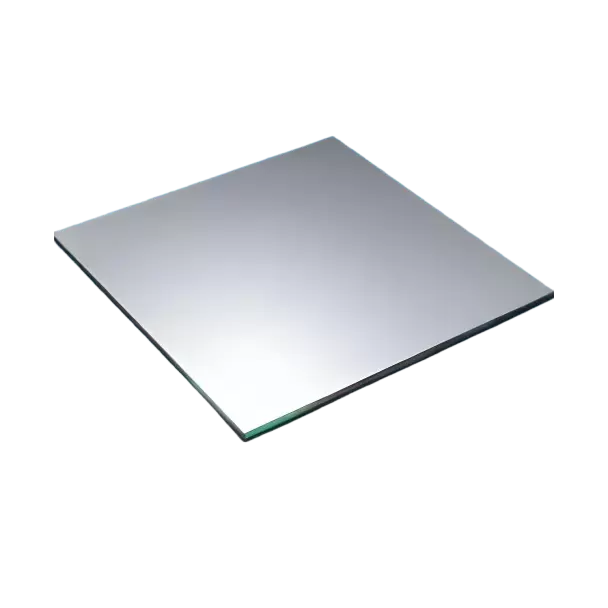
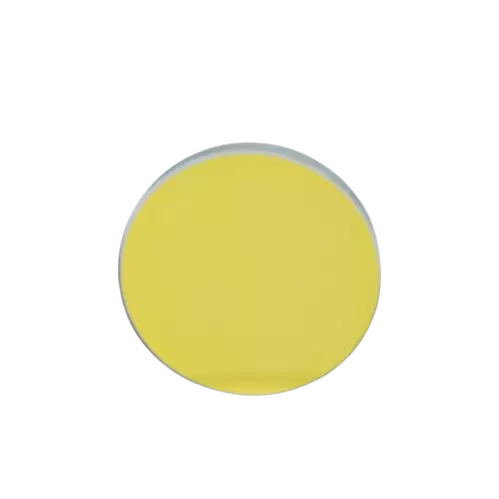
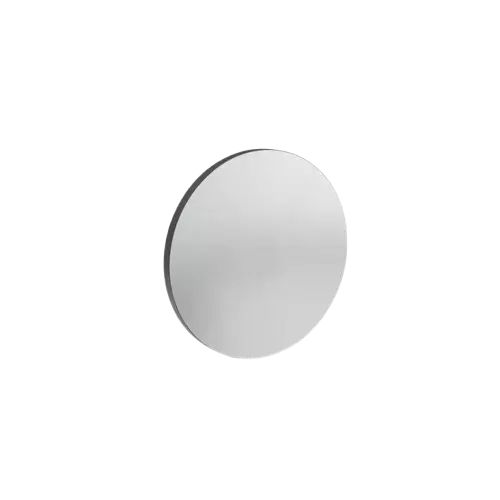
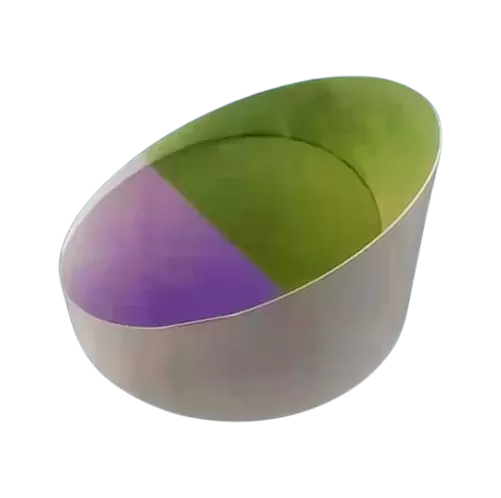
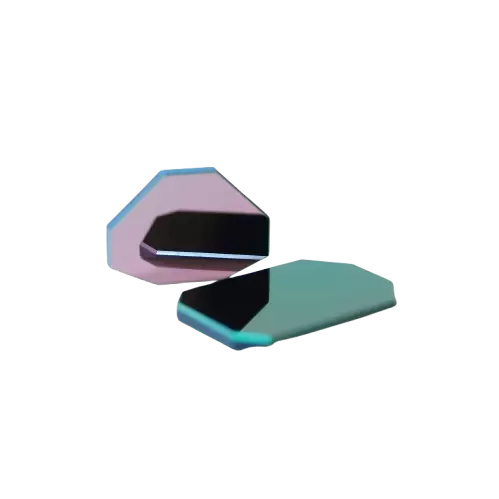
Ein dielektrischer Spiegel, auch Bragg-Spiegel genannt, ist ein Spiegeltyp, der aus mehreren dünnen Schichten dielektrischen Materials besteht, die typischerweise auf einem Substrat aus Glas oder einem anderen optischen Material aufgebracht sind. Durch die gezielte Auswahl von Art und Dicke der dielektrischen Schichten lässt sich eine optische Beschichtung mit spezifischer Reflektivität bei verschiedenen Wellenlängen des Lichts herstellen.

Hauptmerkmale
  • High reflectivity and low loss
    High reflectivity and low loss

    These are its core advantages. At specific wavelengths (e.g., 532 nm, 1064 nm, 1550 nm), its reflectivity can easily exceed 99.9%, with absorption loss of less than 0.01%.

  • High laser damage threshold
    High laser damage threshold

    Due to its extremely low absorption, it generates almost no heat, thus capable of withstanding extremely high laser power densities. This makes it a core component for beam steering and focusing in high-power laser cutting, welding, and marking systems.

  • Design flexibility
    Design flexibility

    By adjusting the thickness and material of the coating, dielectric mirrors can be precisely designed to operate for specific wavelengths (narrowband) or specific bands (broadband).

  • Polarization sensitivity
    Polarization sensitivity

    It is sensitive to the polarization state of light, especially under non-normal incidence. The reflectivity of S-rays and P-rays differs, a point that requires special attention in precision optical design.

Spezifikation von Dielektrischer Spiegel
StrukturFlach, Kugel, Zylinder oder kundenspezifische Form
SubstratQuarzglas / Kieselsäure / BK7-Glas
Dimension2 mm bis 100 mm
Freie Öffnung>90 % der Dimension
Oberflächenqualität40/20, 20/10 Scratch-Dig
Oberflächenunregelmäßigkeitλ/2~λ/10 @632nm
Dicke1 mm bis 20 mm
BeschichtungUV/VIS-dielektrische Beschichtung
Typische Anwendungsgebiete
  • Laser Resonant Cavities
    Laser Resonant Cavities
    Dielectric mirrors serve as high-reflectivity mirrors (end mirrors) and output mirrors in laser resonant cavities. All types of lasers, including helium-neon lasers, solid-state lasers (such as Nd:YAG), fiber lasers, and semiconductor lasers, use dielectric mirrors to create oscillations.
  •  High-Power Laser Processing
    High-Power Laser Processing
    Dielectric mirrors are used for directing, focusing, and expanding high-power laser beams. Their extremely low absorption loss means they generate almost no heat, allowing them to withstand continuous laser power in the kilowatt and even megawatt ranges without thermal lensing or damage.
  • Optical Communication and Fiber Optic Sensing
    Optical Communication and Fiber Optic Sensing
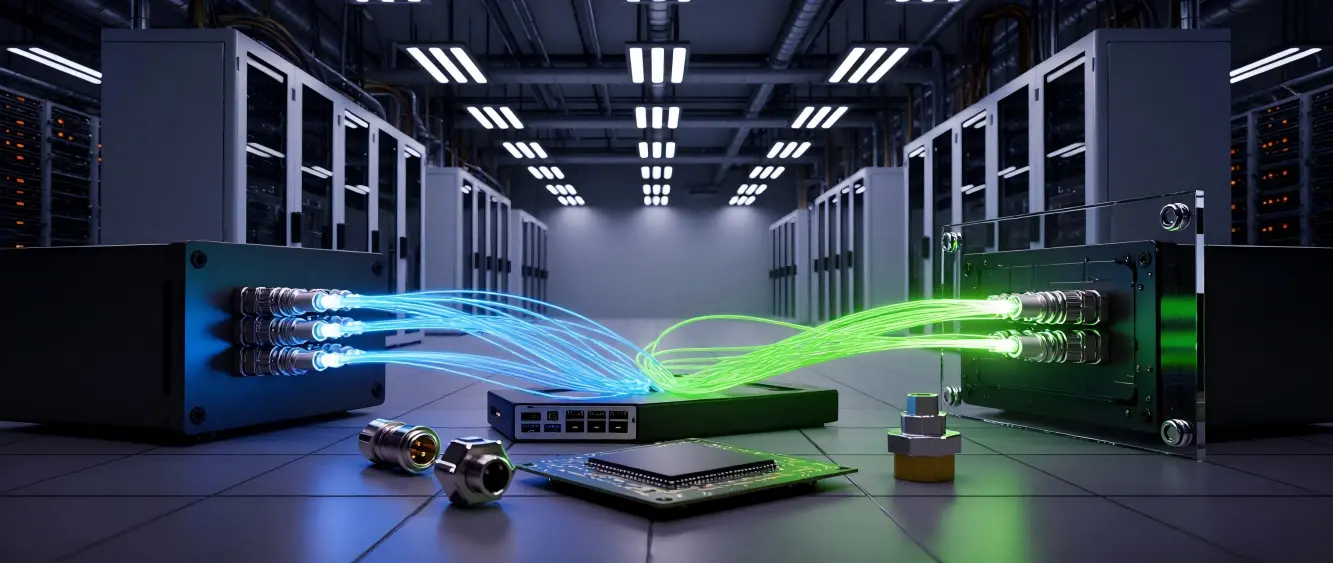
    Optical communication requires the precise separation or combination of signals of different wavelengths (e.g.1550nm). Examples: optical modules in data centers and backbone networks, and auxiliary components of fiber Bragg gratings.
  • Precision Measurement and Scientific Research
    Precision Measurement and Scientific Research
    Constructing precision optical cavities such as Fabry-Perot interferometers, gravitational wave detectors, and optical clocks. These applications require light to reflect back and forth between two highly reflective mirrors tens of thousands of times, demanding reflectivity of 99.999% or even 99.9999% (loss on the order of ppm). Only ultra-low-loss super dielectric mirrors can meet this requirement.
  • AR/VR
    AR/VR
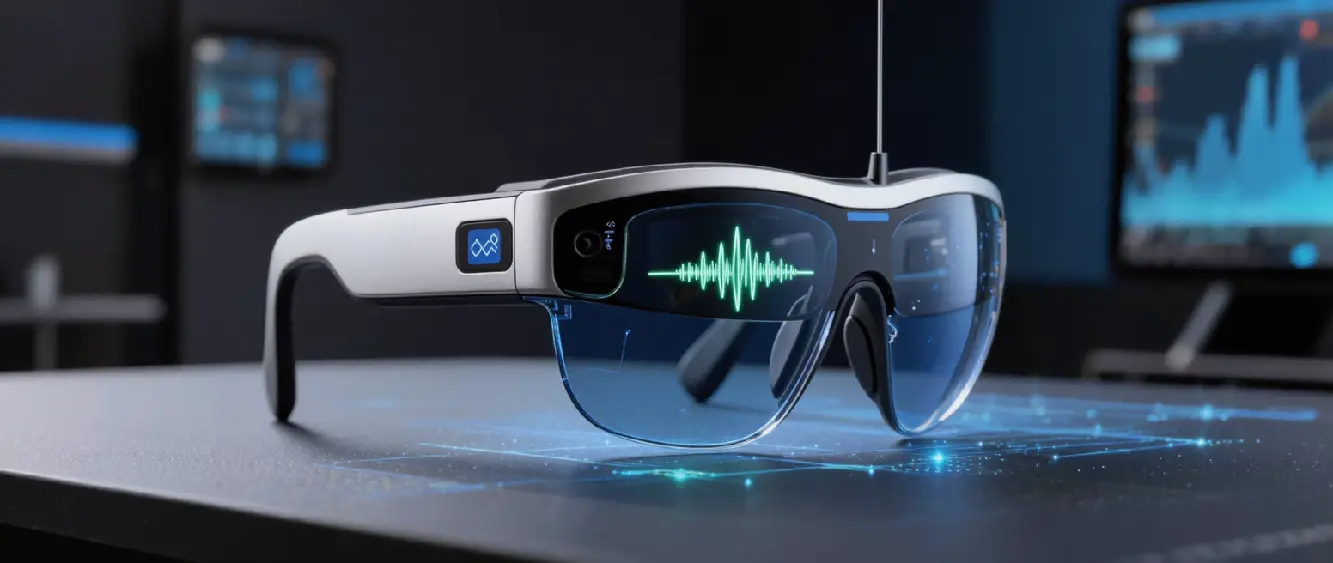
    Augmented Reality/Virtual Reality (AR/VR) headsets, miniature projectors, and 3D scanners.
  • Spectroscopy and Biomedicine
    Spectroscopy and Biomedicine
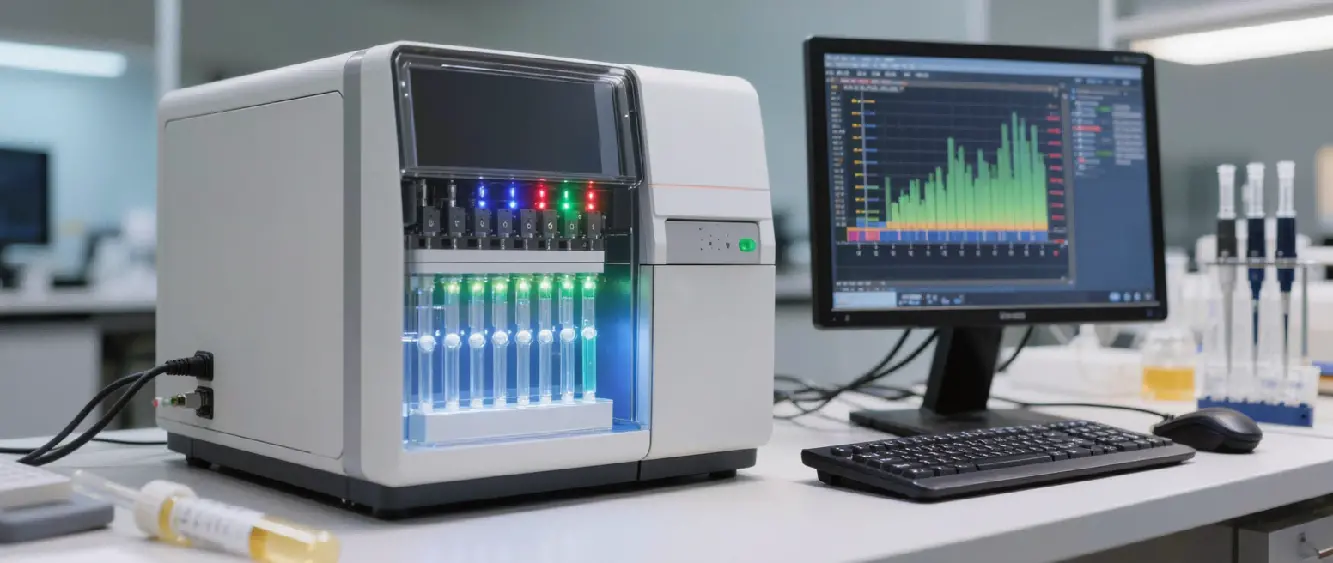
    Core role: Laser filtering and beam manipulation in Raman spectrometers and flow cytometers. Specific examples: Optical systems in confocal microscopes and gene sequencers.
Etikett:


Kontakt & Technischer Support

Kontaktieren Sie das ECOPTIK-Team für präzise Lösungen.