Zuhause / Brauch / Optische Komponenten / Optischer Spiegel / Silber(Ag)-Spiegel
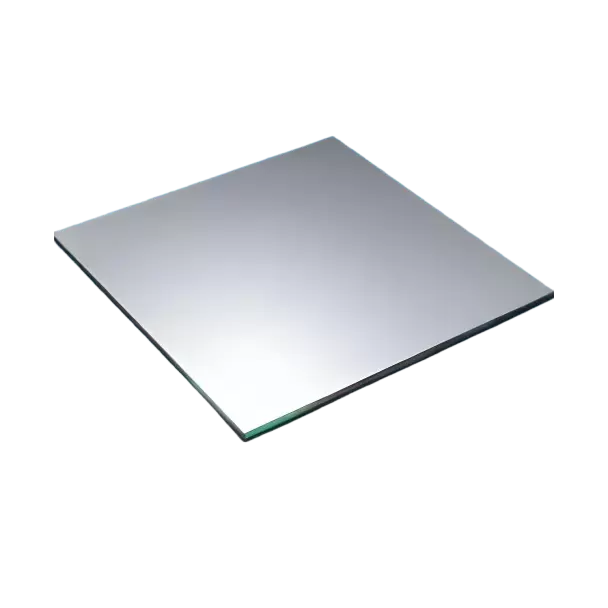
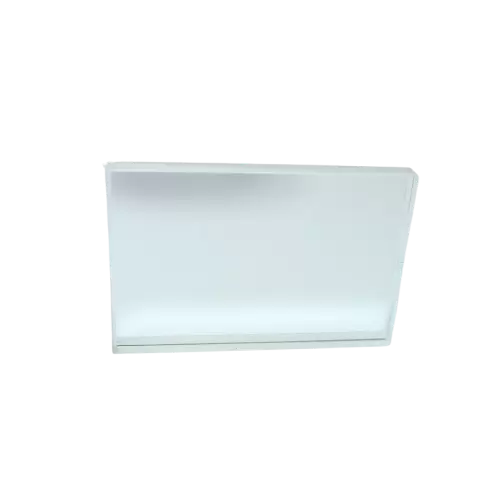
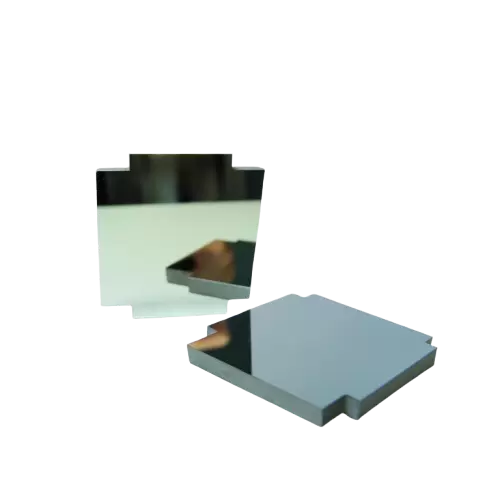
Silberspiegel sind Spiegel, die durch Aufbringen einer Schicht aus reinem Silber auf ein optisches Substrat (meist Glas) mittels chemischer oder physikalischer Verfahren und anschließendes Abdecken mit einer Schutzschicht hergestellt werden. Trotz ihrer Oxidationsneigung sind Silberspiegel aufgrund ihrer unübertroffen hohen Reflektivität in bestimmten Anwendungsbereichen nach wie vor die erste Wahl.

-Substrate: Usually optical glass (such as K9, fused silica, etc.), requiring a high surface finish and no defects. -Underlayer: Sometimes a layer of other metal (such as copper) is deposited first as a bonding layer to enhance the adhesion between the silver layer and the glass. -Silver Layer: The core functional layer, formed through physical vapor deposition (PVD).
Silver is heated and evaporated or sputtered onto the substrate in a high vacuum environment. This method can obtain a purer, denser, and higher-performance silver film for use in high-end optics.
To overcome the problem of silver's easy oxidation, one or more protective films must be covered on top of the silver layer. Dielectric Protective Film: In the optical field, a transparent, chemically stable dielectric thin film, such as SiO₂ (silicon dioxide) or Al₂O₃ (alumina), is deposited. These films can effectively block moisture and corrosive gases, extending the life of the lenses.
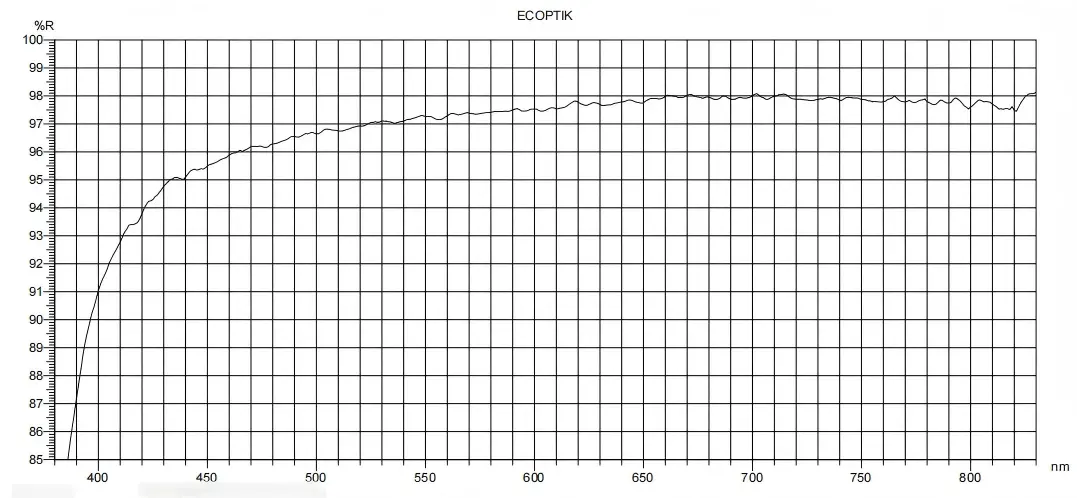
1. Highest reflectivity in the visible light range. 2. Extremely high reflectivity in the near-infrared band, superior to aluminum. 3. For the same reflectivity, silver mirrors can be made simpler (fewer layers) than dielectric film mirrors.



 en
en